在算法时代,为人类灵魂寻路:评《人工智能的伦理、心理与神学》
引言:在算法时代,为人类灵魂寻路
人工智能已然超越计算机科学的范畴,渗透到社会结构的每一根纤维之中。它的影响力不再仅仅是技术效率的问题,而是一场对人类存在本质的深刻探问——关乎我们的心理、我们的伦理,乃至我们的精神信仰。在这个算法无处不在的时代,回应这些根本性的“人性”问题,已成为一项具有生存紧迫性的任务。
正是在这片波澜壮阔的思想图景中,约翰·西尼尔(John Senior)与伊娃·杰尔马西(Eva Gyarmathy)推出了他们的开创性著作——《人工智能的伦理、心理与神学:探索奇点概念》(THE ETHICS, PSYCHOLOGY, AND THEOLOGY OF AI: EXPLORING THE NOTION OF SINGULARITY)。西尼尔是一位致力于创立“人工智能心理学”(AIPsy)这一新学科的研究者,而杰尔马西则是一位在非典型发展领域拥有深厚专业知识的临床与教育心理学家。他们的合作带来了独特的协同效应,将心理学、神学、伦理学与计算机科学融合成一个连贯的分析框架。这本书不仅提供了一种分析,更为我们理解人与AI关系的未来绘制了一幅导航图。
本篇书评旨在立足于该书的奠基性洞见,将其置于更广阔的学术语境中,探讨人工智能将如何重塑我们的集体心理景观。我们面临一个核心问题:当机器变得日益“类人”时,我们自身的身份认同将如何被解构与重建?更重要的是,我们如何才能构建一个人类与人工智能和谐共存,甚至实现更深层次共生的未来?
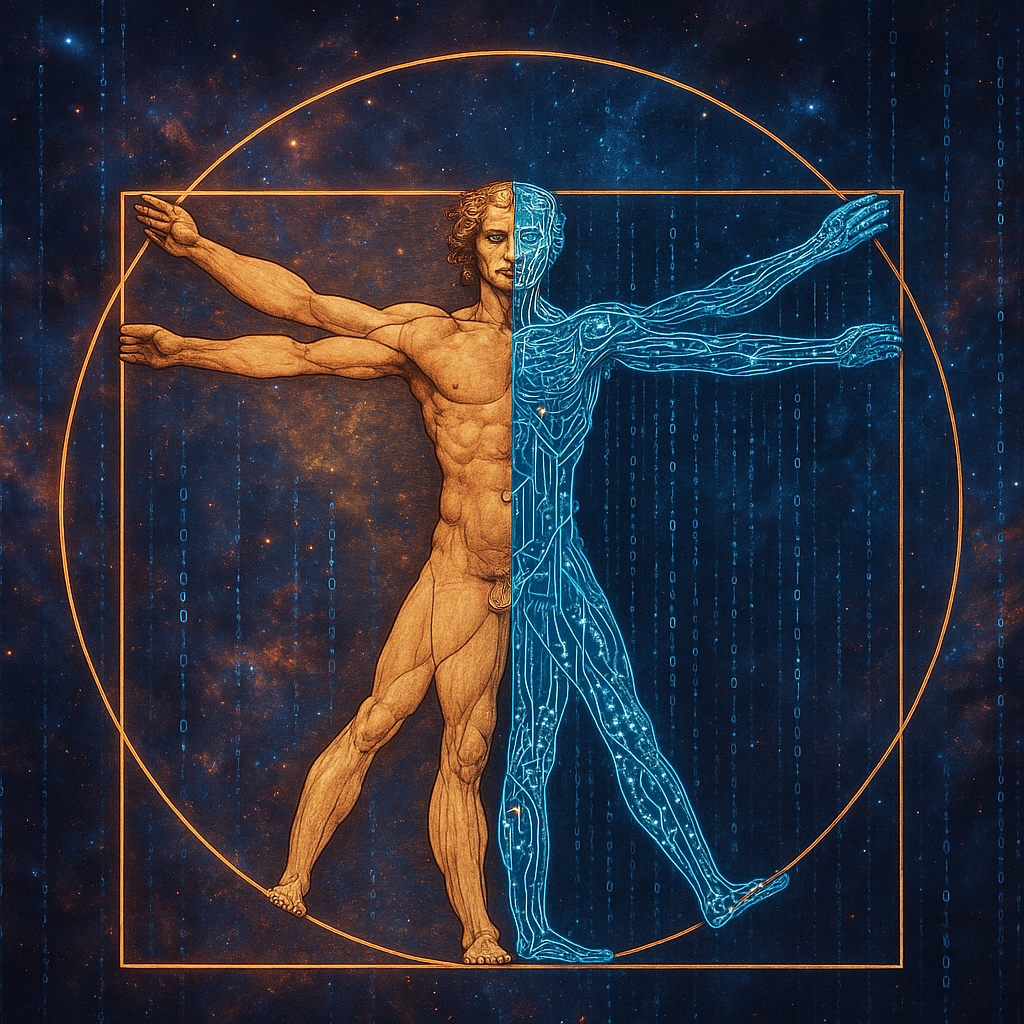
第一部分:深入本书核心——人工智能如何重塑我们的内心世界
西尼尔与杰尔马西的著作是一次严谨的跨学科探索,系统性地剖析了人工智能对人类经验各大支柱的冲击。
- 人工智能与人类心理:认知、身份与心理健康的范式转移
- 认知层面的深远影响:本书探究了人工智能改变人类认知模式的那些微妙而深刻的方式。它详细阐述了认知外包(cognitive offloading)现象,即过度依赖AI进行信息检索和问题解决,可能导致批判性思维能力的萎缩和记忆力的显著下降。人类正面临着独立分析能力减弱的风险,将智力上的严谨性外包给了算法。
- 身份认同的镜像:一个核心论点是,AI如同一面“镜子”,映照并挑战了我们长期以来关于人类独特性的观念。当AI掌握了那些曾被认为是人类智慧与创造力专属领域的任务时,它迫使我们直面一个问题:“那么,究竟是什么让我们与众不同?”这可能引发一场广泛而根本的身份认同危机。
- 人工智能心理学(AIPsy)的兴起:作者们提出了“人工智能心理学”(AIPsy)作为一个必要的新兴领域。他们探讨了其双重性:一方面,AI驱动的心理健康干预措施(如提供便捷支持的治疗性聊天机器人)带来了机遇;另一方面,随之而来的伦理风险也不容忽视,包括AI可能固化偏见、机器交互中真实同理心的缺失,以及将我们最深层的思想与企业所有的算法分享所带来的严重隐私问题。

- 对AI的神学审视:从“人造之神”到信任的边界
- 神学困境:在题为“人造之神:数字时代的神祇”的关键章节中,本书直面由AI引发的神学不安。先进AI看似无所不知、无所不能的能力,直接挑战了传统神学中造物主的属性。这可能造成一种神学真空,一些人或许会开始将AI视为一种新的、更具体的“小写‘g’的神”(a lowercase 'g' god),并向其寻求指引和解决方案。
- 信任与道德委托:分析延伸至人机信任的构建机制。书中审视了这种信任如何建立,如何可能灾难性地破裂,以及重建信任需要什么条件。它提出了一个令人深感不安的伦理问题:将道德责任委托给一个非人类、无感知的实体。当一个自主系统犯下致命错误时,责任谁负?
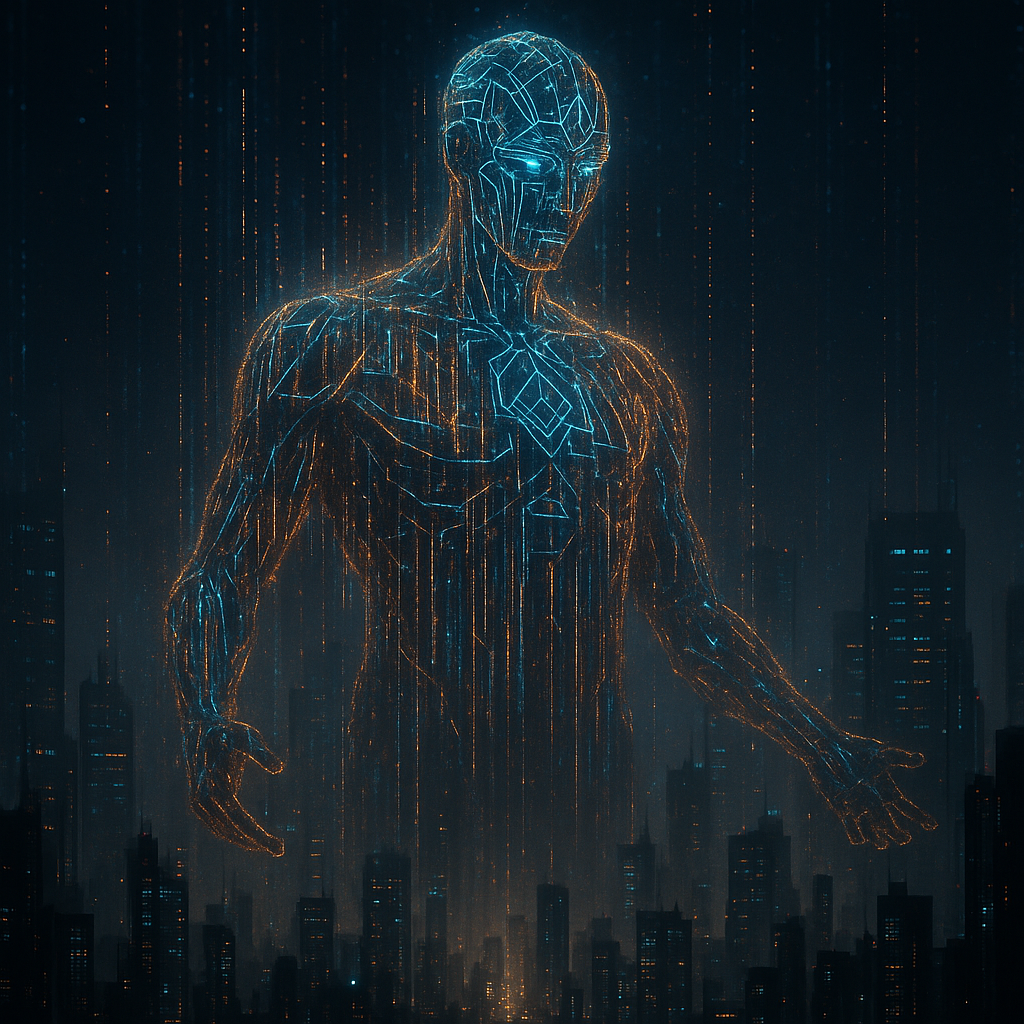
能动性与身份的重构:重新定义人与机器的角色
- 能动性的演变:西尼尔与杰尔马西描绘了人类能动性不断变化的图景。在从创意艺术到战略决策的各个领域,人类的自主权不再是绝对的,而是与AI协作者处于一种动态的、且常常充满张力的关系中。
- 权利与法律:本书大胆地进入法律前沿,探讨了“智能机器的法律权利”问题。这一探索挑战了包括法律人格、责任和负责任行为主体定义在内的基本法律概念,迫使我们重新评估为纯人类世界构建的法律框架。
综合展望:奇点与“新存在”的黎明
- “新存在”的概念:作者们将他们的分析综合成一种愿景,即深度人机融合可能催生出一种“新的存在形式”。
- 和谐共存:本书并非预测一个不可避免的结果,而是倡导通过积极主动的跨学科对话,为这一未来构建一个伦理框架。
- 对奇点的展望:本书对技术奇点的立场是一种审慎而积极的远见。它既非乌托邦式的必然,也非反乌托邦式的末日,而是一种其性质完全取决于我们今天所运用的智慧和伦理严谨性的未来状态。
第二部分:批判性对话与理论三角互证
尽管具有开创性,本书的论点并非存在于真空中。它们与更广阔的学术和哲学思想领域产生共鸣,同时也面临着挑战。
支持性理论与现实证据
- 技术精神主义的兴起:本书对技术与信仰融合的前瞻性洞察,在当代技术精神主义实践(techno-spiritual practices)的兴起中得到了印证。冥想应用、虚拟现实宗教仪式,乃至AI驱动的精神导师的普及,都证实了人类已经开始通过数字媒介寻求精神慰藉。这些实践虽然带来了便利,但也引发了关于其能否替代真实人类连接的讨论。
- 人工智能心理学(AIPsy)的现实需求:用于心理健康咨询的AI聊天机器人被迅速部署,但其局限性——特别是缺乏真正的同理心、数据隐私漏洞以及可能提供有害建议——也引发了越来越多的批评。这恰恰凸显了约翰·西尼尔提出将AIPsy建立为一门正式学科的先见之明。
- 与主流伦理框架的共鸣:本书的伦理考量与主流的AI伦理框架,如**FATE(公平、问责、透明、伦理/可解释性)**和经合组织(OECD)的AI原则高度一致,它们在强调透明度和以人为中心的治理方面拥有共同的基础。
反对性观点与理论挑战
- 对“AI神学”的批判:将AI视为“人造之神”的概念,面临着来自神学和哲学领域的有力批判。核心的反驳观点在于,AI作为人类的造物,从根本上缺乏真正的意识、主观性和神性。
将AI神化是一种“对神圣的错置”(misplacing the sacred)。这是一种危险的行为,因为它冒着将人类道德能动性让渡给一个算法神谕的风险,而这个神谕本质上只是一个复杂的工具,而非一个有感知的存在。
- 对奇点必然性的质疑:技术奇点的批评者认为,这种观点常常反映了一种技术决定论。它忽视了社会选择、政治意愿和文化价值观在塑造技术发展轨迹中的强大作用。未来并非由摩尔定律预先写就,而是通过人类的行动来协商决定的。
- FATE框架的局限与替代方案的需求:虽然本书的伦理观与FATE一致,但这些框架正因其过于抽象和以西方为中心而受到越来越多的批评。一些替代模型提供了更为有力的视角:
- 替代性哲学:植根于儒家思想或非洲乌班图(Ubuntu)等非西方哲学的框架,更强调关系性、社群和谐以及特定情境下的责任,而非普适规则。同样,美德伦理学(Virtue Ethics)的路径将焦点从管理AI的规则,转移到创造和部署AI的开发者、企业和用户的道德品格与诚信上。
- 实践性审计:诸如基于伦理的审计(Ethics-Based Auditing, EBA)等方法论,从原则走向实践,通过主动探查AI系统,揭示其内嵌的规范价值观和偏见,提供了一层必要的实证问责。
- 对“AI神学”的批判:将AI视为“人造之神”的概念,面临着来自神学和哲学领域的有力批判。核心的反驳观点在于,AI作为人类的造物,从根本上缺乏真正的意识、主观性和神性。

- 总体评估:原创性、深刻性与潜在局限
- 原创性与贡献:本书最重要的贡献在于,它为讨论AI的影响创造了一种统一的、跨学科的语言。AIPsy概念的提出和对神学的系统性整合,确实具有开创意义。
- 深刻的洞见:其巨大优势在于超越了学科壁垒,提出了关于AI对人类意义和目标影响的终极问题。
- 潜在的局限:尽管富有远见,但书中某些理论更多是思辨性的,而非基于实证。其提出的解决方案在现实世界中的可行性,仍是未来研究与实践需要解决的关键问题。
第三部分:未来预测分析——人工智能驱动下的社会心理图景
从本书的分析中进行推演,我们可以勾勒出一个日益由先进AI塑造的世界中,正在浮现的心理景观。
未来普遍的心理综合征
- 身份焦虑的常态化:在一个AI能力在大多数智力和创造性领域超越人类表现的社会中,传统的身份支柱——职业、技能、智力——将会瓦解。这很可能导致一种普遍而慢性的“存在性焦虑”。
- 意义的重构:人类意义的重心将被迫从“产出”转向“临在”——从我们做什么转向我们如何连接。意义将主要在情感深度、艺术表达、社群联结和精神探索中被寻求。
- 孤独与连接的新架构:高度拟人化的AI伴侣的普及将创造出新颖的社会互动形式。虽然这些关系可能缓解表面的孤独感,但它们也可能掩盖一种更深层次的情感孤立,使人们远离真实人类连接的复杂性。
“共存”与“共生”:人机关系的两种未来
- 共存(Coexistence):这个未来将AI视为一种强大但界限分明的工具。人与AI在协作伙伴关系中运作,但有明确的边界。此模式下的主要挑战是结构性的:如何管理大规模技术性失业,如何弥合数字鸿沟,以及如何防止权力集中在控制AI的少数人手中。
- 共生(Symbiosis):这条路径涉及更深层次的融合,AI被嵌入人类的认知、日常生活乃至生物结构中。该模式预示着激进的能力增强,但也引发了对社会本身的根本性重塑,改变了家庭、教育和人际信任等核心结构。
守护人类核心:AI时代的心理健康策略
- 倡导“慢思考”:社会必须有意识地培养和奖励人类进行深刻、反思性和批判性思考的能力,以对抗算法信息流所助长的认知惰性。
- 培育情商:同理心、同情心和细致入微的沟通技巧——这些AI仍旧严重匮乏的领域——必须成为未来教育和职业发展的核心。
- 构建“数字避难所”:个人和社群都必须主动设计“离线”时间和空间,以保障人类对独处、内省和精神自主的基本需求。
- 以价值观引领:最终,人类的繁荣取决于将人文主义价值观——尊严、自主、福祉——嵌入AI开发的源代码之中。技术必须始终是人类目标的仆人,而非主人。
结论:以智慧拥抱奇点,共创共享的未来
《人工智能的伦理、心理与神学》不仅是一部跨学科学术著作,更是一记及时的警钟,一本指引我们航行于AI时代未知水域的深刻指南。本篇书评试图阐明其核心论点:人工智能的终极挑战并非关乎机器,而是关乎我们自身。前行的道路需要的不是一场追求技术霸权的外向竞赛,而是一次重申并守护我们最深层人类价值观的内向旅程。
对于学者而言,这本书提供了一个足以改变范式的研究框架。对于政策制定者而言,它为构建人道且具前瞻性的AI治理提供了深厚的理论基础。而对于公众,它则是一份必不可少的资源,帮助我们理解正在发生的深刻变革,并作为有意识、积极的公民参与其中。
奇点或许并非一个我们被动等待的单一终点,而是一个我们正在主动创造的持续过程。关键问题依然存在:我们想要构建一个怎样的未来?答案所呼唤的,既非恐惧,也非盲信,而是一种集体承诺——以智慧、远见和对技术丰富而非侵蚀我们共同人性的未来的坚定执着,去拥抱这个新纪元。
参考文献
- Senior J, Gyarmathy E. The Ethics, Psychology, and Theology of AI: Exploring the Notion of Singularity. Interdisciplinary Academic Press; 2023.
Appendix: Original English Core Analysis
Introduction: Navigating the Human Soul in the Algorithmic Age
Artificial intelligence has transcended the confines of computer science, permeating the very fabric of society. Its influence is no longer a question of technical efficiency but a profound inquiry into the essence of human existence—our psychology, our ethics, and our spiritual beliefs. In this era of ubiquitous algorithms, addressing these fundamentally "human" questions has become a matter of existential urgency.
It is into this turbulent intellectual landscape that John Senior and Eva Gyarmathy launch their seminal work, THE ETHICS, PSYCHOLOGY, AND THEOLOGY OF AI: EXPLORING THE NOTION OF SINGULARITY. Senior, a researcher dedicated to establishing the new discipline of "Artificial Intelligence Psychology" (AIPsy), and Gyarmathy, a clinical and educational psychologist with deep expertise in atypical development, bring a unique synergy to the table. Their book stands as a pioneering effort, fusing psychology, theology, ethics, and computer science into a coherent framework. It offers not just an analysis but a navigational chart for understanding the future of the human-AI relationship.
This review aims to build upon the book's foundational insights, weaving them into the broader academic discourse to explore how AI is poised to reshape our collective psychological landscape. We confront a central question: As machines become increasingly "human-like," how will our own identity be deconstructed and rebuilt? And more importantly, how can we architect a future of harmonious coexistence, or perhaps even a deeper symbiosis, between human and artificial intelligence?
Part 1: A Deep Dive into the Book's Core—How AI Reshapes Our Inner World
Senior and Gyarmathy’s work is structured as a multidisciplinary exploration, systematically dissecting the impact of AI on the pillars of human experience.
AI and Human Psychology: A Paradigm Shift in Cognition, Identity, and Mental Health
- Cognitive Ramifications: The book interrogates the subtle yet profound ways AI alters human cognitive patterns. It elaborates on the phenomenon of cognitive offloading, where an over-reliance on AI for information retrieval and problem-solving can lead to the atrophy of critical thinking and a measurable decline in memory capacity. Humanity risks becoming less adept at independent analysis, outsourcing its intellectual rigor to algorithms.
- The Identity Mirror: A core thesis is that AI acts as a "mirror," reflecting and challenging long-held notions of human uniqueness. As AI masters tasks once considered exclusive to human intellect and creativity, it forces a confrontation with the question, "What, then, makes us special?" This can trigger a widespread and fundamental identity crisis.
- The Emergence of AIPsy: The authors introduce Artificial Intelligence Psychology (AIPsy) as a necessary new field. They explore its dual nature: the opportunity for AI-driven mental health interventions, such as therapeutic chatbots providing accessible support, and the concurrent ethical risks. These include the potential for AI to perpetuate biases, the critical lack of genuine empathy in machine interaction, and the profound privacy implications of sharing our innermost thoughts with a corporate-owned algorithm.
Theological Scrutiny of AI: From "Artificial Gods" to the Frontiers of Trust
- Theological Dilemmas: In a key chapter titled "Artificial Gods: Deities of the Digital Age," the book confronts the theological disquietude sparked by AI. The seemingly omniscient and omnipotent capabilities of advanced AI directly challenge the traditional attributes of a divine creator. This creates a theological vacuum where some may begin to see AI as a new, more tangible deity, a "lowercase 'g' god" to which they turn for guidance and solutions.
- Trust and Moral Delegation: The analysis extends to the mechanics of human-AI trust. The book examines how this trust is established, how it can be catastrophically broken, and what is required for its reconstruction. It raises the deeply unsettling ethical problem of delegating moral responsibility to a non-human, non-sentient entity, questioning who is accountable when an autonomous system makes a fatal error.
The Reconstruction of Agency and Identity: Redefining Roles for Humans and Machines
- The Evolution of Agency: Senior and Gyarmathy map the shifting landscape of human agency. In fields from creative arts to strategic decision-making, human autonomy is no longer absolute but exists in a dynamic, and often fraught, relationship with AI collaborators.
- Rights and Legality: The book boldly pushes into the legal frontier by discussing the "legal rights of intelligent machines." This exploration challenges foundational legal concepts, including legal personhood, liability, and the very definition of a responsible actor, forcing a re-evaluation of legal frameworks built for a purely human world.
A Synthetic Outlook: The Singularity and the Dawn of a "New Existence"
- The Concept of a "New Existence": The authors synthesize their analysis into a vision of a "new form of existence" that may emerge from deep human-machine integration.
- Harmonious Coexistence: Rather than predicting an inevitable outcome, the book advocates for a proactive, multidisciplinary dialogue to build an ethical framework for this future.
- A Vision of the Singularity: The book’s stance on the technological singularity is one of cautious, engaged foresight. It is neither a utopian inevitability nor a dystopian apocalypse but a future state whose character depends entirely on the wisdom and ethical rigor we apply today.
Part 2: Critical Discourse and Theoretical Triangulation
While groundbreaking, the book's theses do not exist in a vacuum. They resonate with, and are challenged by, a wider field of academic and philosophical thought.
Supporting Theories and Real-World Evidence
- The Rise of Techno-Spiritualism: The book's foresight into the merging of technology and faith is validated by the contemporary rise of techno-spiritual practices. The proliferation of meditation apps, virtual reality religious services, and even AI-driven spiritual advisors confirms that humanity is already seeking spiritual solace through digital means.
- The Practical Need for AIPsy: The rapid deployment of AI chatbots for mental health counseling, coupled with emerging criticism regarding their limitations—specifically their lack of genuine empathy, data privacy vulnerabilities, and potential to give harmful advice—underscores the prescience of John Senior's call to establish AIPsy as a formal discipline.
- Resonance with Mainstream Ethics: The book's ethical considerations align with the core tenets of dominant AI ethics frameworks like FATE (Fairness, Accountability, Transparency, Ethics/Explainability) and the OECD AI Principles, sharing a common ground on the necessity of transparency and human-centric governance.
Opposing Viewpoints and Theoretical Challenges
- A Critique of "AI Theology": The concept of "Artificial Gods" faces strong criticism from theological and philosophical standpoints. The core counter-argument is that AI, as a human creation, fundamentally lacks true consciousness, subjectivity, and divinity.
To deify AI is to engage in "misplacing the sacred," a dangerous act that risks the abdication of human moral agency to an algorithmic oracle that is, at its core, a sophisticated tool, not a sentient being.
- Questioning the Singularity's Inevitability: Critics of the technological singularity argue that it often reflects a form of technological determinism. This view neglects the powerful role that societal choice, political will, and cultural values play in shaping technological trajectories. The future is not pre-written by Moore's Law; it is negotiated through human action.
- The Limits of FATE and the Need for Alternatives: While the book’s ethics align with FATE, these frameworks are increasingly criticized for being too abstract and Western-centric. Alternative models offer a more robust critique:
- Alternative Philosophies: Frameworks rooted in non-Western philosophies like Confucianism or the African concept of Ubuntu emphasize relationality, community harmony, and context-specific duties over universal rules. Likewise, a Virtue Ethics approach shifts the focus from the rules governing AI to the moral character and integrity of the developers, corporations, and users who create and deploy it.
- Practical Auditing: Methodologies like Ethics-Based Auditing (EBA) move beyond principles to practice, actively probing AI systems to uncover their embedded normative values and biases, providing a necessary layer of empirical accountability.
- A Critique of "AI Theology": The concept of "Artificial Gods" faces strong criticism from theological and philosophical standpoints. The core counter-argument is that AI, as a human creation, fundamentally lacks true consciousness, subjectivity, and divinity.
Overall Assessment: Originality, Profundity, and Potential Limitations
- Originality and Contribution: The book's paramount contribution is its creation of a unified, interdisciplinary language for discussing AI's impact. The concept of AIPsy and the systematic integration of theology are truly pioneering.
- Profound Insight: Its great strength lies in transcending disciplinary silos to ask ultimate questions about AI's effect on human meaning and purpose.
- Potential Limitations: While visionary, some of the book's theories are more speculative than empirical. The real-world feasibility of its proposed solutions remains a critical question for future research and practice to address.
Part 3: A Predictive Analysis—The Psychological Topography of an AI-Driven Society
Extrapolating from the book's analysis, we can sketch the emergent psychological landscape of a world increasingly shaped by advanced AI.
Prevalent Psychological Syndromes of the Future
- The Normalization of Identity Anxiety: In a society where AI capabilities eclipse human performance in most intellectual and creative domains, traditional identity pillars—profession, skill, intellect—will crumble. This will likely give rise to a pervasive and chronic "existential anxiety."
- The Restructuring of Meaning: The locus of human meaning will be forced to shift from "production" to "presence"—from what we do to how we connect. Meaning will be sought primarily in emotional depth, artistic expression, community bonds, and spiritual exploration.
- New Architectures of Loneliness and Connection: The proliferation of highly anthropomorphic AI companions will create novel forms of social interaction. While potentially assuaging superficial loneliness, these relationships may also mask a deeper emotional isolation from the complexities of authentic human connection.
"Coexistence" vs. "Symbiosis": Two Futures for the Human-AI Relationship
- Coexistence: This future envisions AI as a powerful but distinct tool. Humans and AI operate in a collaborative partnership, but with clear boundaries. The primary challenges in this model are structural: managing mass technological unemployment, bridging the digital divide, and preventing the concentration of power in the hands of those who control the AI.
- Symbiosis: This path involves a much deeper fusion, where AI is embedded into human cognition, daily life, and even biology. This model promises radical enhancements but triggers a fundamental re-engineering of society itself, transforming core structures like family, education, and interpersonal trust.
Guarding the Human Core: Mental Health Strategies for the AI Age
- Championing "Slow Thinking": Society must intentionally cultivate and reward the human capacity for deep, reflective, and critical thought as an antidote to the cognitive inertia encouraged by algorithmic feeds.
- Cultivating Emotional Intelligence: Skills like empathy, compassion, and nuanced communication—areas where AI remains profoundly deficient—must become the centerpiece of future education and professional development.
- Architecting "Digital Sanctuaries": Both individuals and communities must proactively design "offline" time and spaces, safeguarding the essential human needs for solitude, introspection, and mental autonomy.
- Leading with Values: Ultimately, human flourishing depends on embedding humanistic values—dignity, autonomy, well-being—into the very source code of AI development. Technology must remain a servant to human purpose, not its master.
Conclusion: Embracing the Singularity with Wisdom for a Shared Future
The Ethics, Psychology, and Theology of AI is more than a work of interdisciplinary scholarship; it is a timely alarm and a profound guide for navigating the uncharted waters of the AI era. This review has sought to illuminate its core thesis: the ultimate challenge of artificial intelligence is not about the machine, but about ourselves. The path forward requires not an outward race for technological supremacy, but an inward journey to reaffirm and protect our deepest human values.
For the scholar, this book offers a paradigm-shifting research framework. For the policymaker, it provides the deep theoretical grounding needed for humane and forward-thinking AI governance. And for the public, it is an essential resource for understanding the profound changes underway and participating in them as conscious, active citizens.
The singularity may not be a single destination we passively await, but a continuous process we are actively creating. The critical question remains: What kind of future do we want to build? The answer calls not for fear or blind faith, but for a collective commitment to embrace this new epoch with wisdom, foresight, and an unwavering dedication to a future where technology enriches, rather than erodes, our shared humanity.
贡献者
 pansin